
Residence
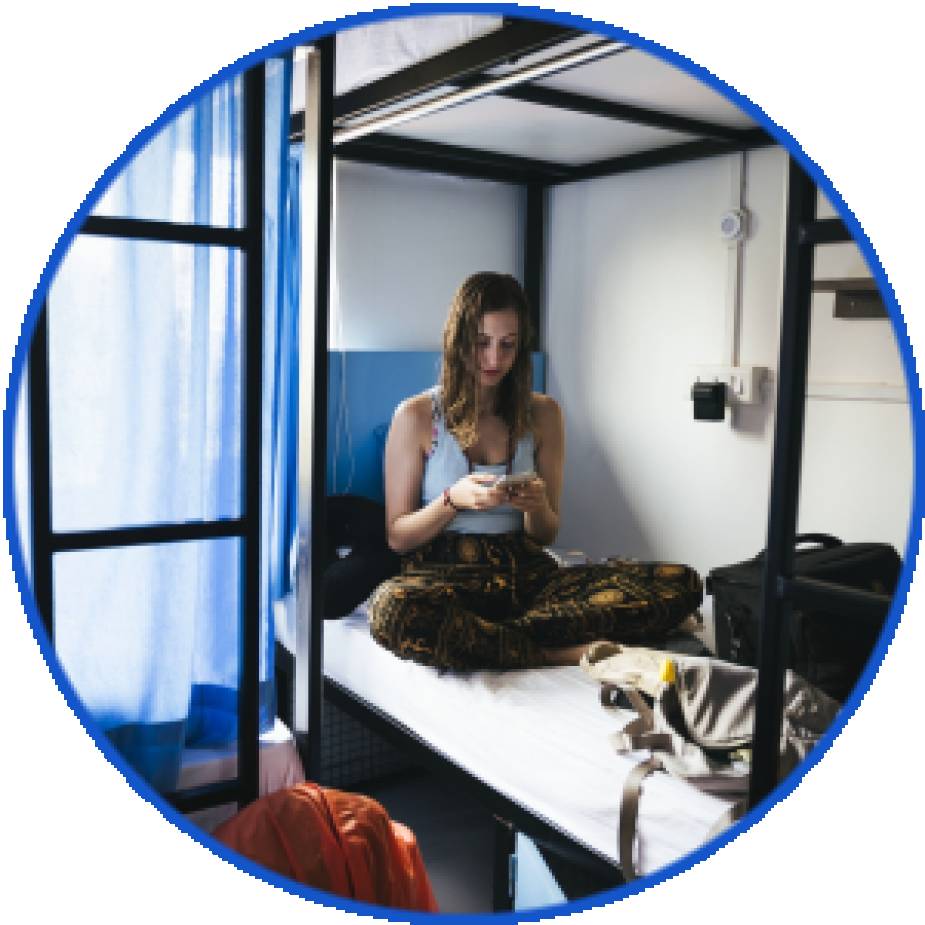 |
A residence is a student dormitory. Most are owned by a university, language school, or private company. This option is popular with students aged 17 and over. While boarding is about childhood and a strict routine, a residence is about independence, international neighbours, and the first taste of unsupervised living. Residences accommodate students on language courses (from 18 to 30 years old), participants in preparatory programmes such as Foundation, as well as university students. In US universities, between 20% and 80% of first‑year students live on campus. In Europe, the figures are lower: in Germany, only 13% of students live in dormitories — there simply aren't enough places. On short‑term language courses, residences are often chosen by those who want a mix of study, independence, and interaction with international students — though the exact proportion varies by programme and school. |
|
|
Supervision is minimal. There may be a warden at reception, and security guards are on duty at night. But no one checks whether a student is back at 2 am or looks into their room. Cleaning, laundry, and grocery shopping are all the student's responsibility. Some residences have a canteen offering three meals a day, but more often there's just a kitchen for self‑catering. The main advantage is location. Residences are usually located close to academic buildings. It's easy to make friends — with neighbours from different countries, shared events, film nights, and language clubs. Living conditions are regulated by a contract that's usually simpler than a private rental agreement and often doesn't require a large deposit. Students learn to budget, do laundry, cook, and negotiate with flatmates — all in a safe environment, without the risk of dealing with an unscrupulous landlord. A residence offers a balance of freedom and support. It's not a children's camp, but it's not total isolation in a foreign city either. For many students, it's the first step towards independent living — and it's often more comfortable than renting an apartment straight away in an unfamiliar country. |
||